Paul Sykes: The Inspiring Rise of a Powerful Self-Made Businessman and Political Donor
From a Yorkshire mining community to national business and political influence, Paul Sykes built success through determination, commercial instinct and independent thinking. This story follows his path through business, politics and philanthropy. His story shows how practical experience, calculated risk and adaptability shaped a self-made career.

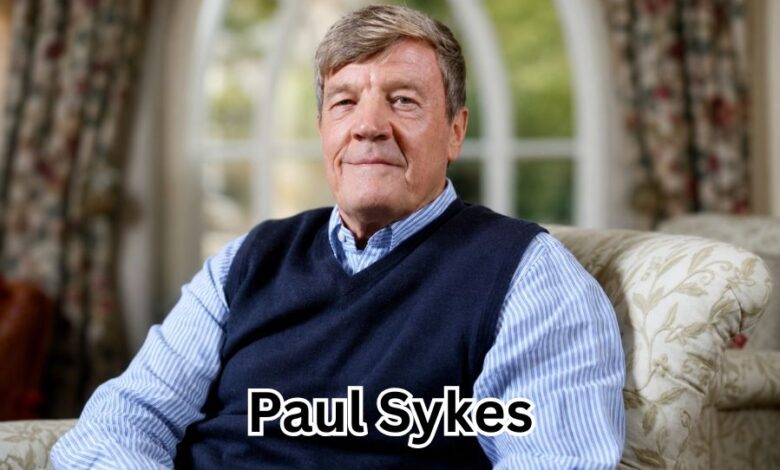
Introduction
Paul Sykes is an English businessman, entrepreneur, philanthropist and political donor whose career represents a striking self-made success story. Born into a working-class family in Barnsley, South Yorkshire, he left school as a teenager without formal qualifications and learned through practical experience. His life demonstrates how determination and commercial judgment can outweigh a lack of formal education.
His wealth was not inherited. It came from recognizing overlooked opportunities, taking calculated risks and entering new industries. From dismantling buses and exporting engines to property development and digital business, Sykes built a varied commercial empire. He later became widely known for supporting Eurosceptic political campaigns and charitable causes.
Quick Bio
| Field | Details |
|---|---|
| Full Name | Paul Sykes |
| Date of Birth | 30 May 1943 |
| Age | 83 years old as of 2026 |
| Birthplace | Barnsley, South Yorkshire, England |
| Nationality | British |
| Profession | Businessman, entrepreneur, political donor and philanthropist |
| Education | Racecommon Road Secondary Modern School |
| Business Interests | Vehicle exports, property development, retail and technology |
| Known For | Building a self-made business empire and supporting eurosceptic campaigns |
| Notable Contribution | Supporting healthcare, conservation and charitable projects |
Early Life and Working-Class Background
Paul Sykes was born on 30 May 1943 in Barnsley, England. He grew up on a council estate as the son of a Yorkshire coal miner. His surroundings were shaped by hard work, financial restraint, and the industrial culture of northern England.
Sykes attended Racecommon Road Secondary Modern School after failing the eleven-plus examination. He left school at fifteen without formal qualifications and entered employment. One of his early jobs was working as a tire fitter, which introduced him to machinery, trade, and the importance of persistence.
Learning Through Practical Experience
Although his formal education ended early, Sykes continued learning through work. He reportedly held several jobs before starting his own business at around nineteen. His early journey demonstrates how commercial knowledge can develop through observation, negotiation, responsibility, and direct contact with customers.
Instead of treating his lack of qualifications as a disadvantage, he concentrated on opportunities that required practical judgment. This willingness to learn from experience became one of the strongest characteristics of his career.
Building His First Business
Sykes began his entrepreneurial career by dismantling old buses and selling the scrap metal, engines, and reusable parts. What started as a practical local operation gradually developed into an international export enterprise, laying the groundwork for his later expansion.
Engines and components were shipped to markets in the Far East, including Hong Kong, Penang and Singapore, where they could be used in fishing vessels and other machinery. The business later exported complete buses to Australia, New Zealand, Africa and several Commonwealth markets.
Sykes remained involved in the vehicle industry for more than two decades. During that period, his commercial interests expanded, and one of his companies became a major distributor of buses in Britain.
Recognizing Hidden Commercial Value
A defining feature of Paul Sykes’s business approach was his ability to identify value in unwanted assets. Old buses were not simply obsolete vehicles. They contained engines, metal, and mechanical parts that could meet demand in other countries.
By connecting surplus British equipment with international buyers, Sykes created a profitable business model. This approach naturally led him to his later move into property development, where he applied the same eye for overlooked value.
Expansion into Property Development
In his early forties, Sykes moved into property development. He invested in enterprise zones and regeneration areas, including locations in Salford, Rotherham, Wakefield, Sheffield and London Docklands.
Many of these districts had been affected by industrial decline. However, they also presented opportunities for developers prepared to invest in their long-term transformation. Sykes became involved in projects that included office parks, cinemas, leisure complexes and large retail developments.
He became closely associated with the development of Meadowhall Shopping Center in Sheffield. The center grew into one of northern England’s most recognizable shopping destinations and represented the wider transformation of former industrial land into modern commercial space.
Moving into the Digital Economy
Sykes also entered the rapidly expanding internet industry. A digital business linked to his commercial interests was sold in 1998 for a reported £85 million.
The deal demonstrated his willingness to explore emerging markets rather than depend entirely on transport and property. It also marked another shift in his career, helping establish his reputation as a flexible and forward-looking English entrepreneur.
Paul Sykes and British Politics
Paul Sykes became a prominent political donor because of his strong opposition to deeper British integration with the European Union. He initially supported the Conservative Party and backed it during Margaret Thatcher’s leadership, when European questions were becoming increasingly significant in British politics.
However, he broke with the Conservatives in the early 1990s over disagreements about the Maastricht Treaty and the party’s European policy. He later supported eurosceptic organizations, individual political candidates and the UK Independence Party.
His financial backing helped UKIP organize major national campaigns, particularly during European Parliament elections. In 2013, Sykes promised substantial support for the party’s 2014 European election campaign.
From Conservative Supporter to UKIP Donor
Sykes’s political activity was driven less by permanent loyalty to one political party than by his belief in British national sovereignty. He supported organizations and politicians who shared his view that important decisions affecting Britain should remain under domestic democratic control.
He had previously supported the Conservatives under Margaret Thatcher, but he became increasingly critical of the party’s later leadership over European integration. His eventual support for UKIP made him one of the most recognizable financial backers of the British eurosceptic movement.
Political Influence and Public Debate
Sykes’s political involvement demonstrated how a wealthy donor could influence public discussion by financing advertising, campaign organization and political communication.
Supporters viewed him as a committed defender of British independence. Critics, however, questioned the scale, presentation and tone of some campaigns he supported. Regardless of political opinion, his involvement made him an important figure in the development of modern British euroscepticism and its public arguments.
Philanthropy and Public Contribution
Business and politics represent only part of Paul Sykes’s public life. He has also supported healthcare, education, sport, conservation and environmental protection.
The Paul Sykes Urology Center at St James’s University Hospital in Leeds carries his name. The center remains connected to one of Yorkshire’s major specialist urology services, providing care for conditions including prostate, kidney, and bladder conditions.
His charitable interests have also included rainforest protection, wildlife conservation and environmental projects. Sykes has supported fundraising associated with explorer Sir Ranulph Fiennes and the Marie Curie charity.
His philanthropy reflects an effort to direct private wealth towards medical care, community facilities and environmental causes. It also fits the wider pattern of public contribution seen throughout his life. According to his official biography, he has donated millions to charitable projects over several decades.
Business Philosophy and Lasting Legacy
Sykes’s career suggests a strong belief in self-reliance, direct action, and personal responsibility. From one stage to the next, he built businesses by entering difficult markets, working with practical assets and acting before opportunities became obvious to everyone else. That approach helped define the self-made nature of his success.
He also demonstrated the importance of adapting to economic change. His career moved from mechanical parts and vehicle exports to property development, retail projects and internet ventures.
Why Paul Sykes’s Story Still Matters
The story of Paul Sykes challenges the idea that business success follows only one route. It begins with school leaving and manual employment, then moves through transport, property and technology as his enterprises developed. His career shows that practical experience and adaptability can drive major success.
His life also shows that entrepreneurial influence can extend beyond business. It extends to political donations, public campaigning, and philanthropy, where he used his wealth to support ideas and causes he considered important.
(FAQs)
Who is Paul Sykes?
Paul Sykes is a self-made English businessman, philanthropist and political donor from Barnsley, South Yorkshire. He built his wealth through vehicle trading, international exports, property development and technology-related ventures.
When was Paul Sykes born?
Paul Sykes was born on 30 May 1943 in Barnsley, England. He grew up in a working-class Yorkshire family and left school at the age of fifteen.
How did Paul Sykes make his money?
He began by dismantling old buses and exporting engines, parts and complete vehicles. He later expanded into property, retail, leisure development and internet-related business.
Why is Paul Sykes known in British politics?
He became known for financing Eurosceptic political campaigns. After supporting the Conservative Party, he later backed UKIP and other campaigns opposing Britain’s membership of the European Union.
Which charitable causes has Paul Sykes supported?
His philanthropic interests have included healthcare, education, sport, conservation, rainforest protection and Marie Curie fundraising. The Paul Sykes Urology Center in Leeds is a prominent example of his contribution to healthcare.
Conclusion
Paul Sykes’s journey from a Yorkshire council estate to major business success is a powerful story of ambition, practical intelligence and calculated risk. It moves from manual employment to commercial knowledge, then to an international vehicle business and later property and technology expansion.
His political donations made him a significant figure in Britain’s eurosceptic movement, while his philanthropy supported healthcare and environmental causes. Whether viewed as an entrepreneur, political campaigner or benefactor, Paul Sykes stands out as a determined businessman who used his wealth to build enterprises, influence public debate and support causes he believed were important.